In today’s crowded B2B market, generating random leads isn’t enough. Buyers are more informed, sales cycles are longer, and trust matters more than ever. That’s why high-performing teams focus on demand generation—not just lead generation.
This guide walks you through how to create a B2B demand generation strategy that builds awareness, nurtures intent, and converts interest into revenue.
What Is B2B Demand Generation?
B2B demand generation is a long-term marketing approach focused on creating awareness, interest, and trust among your ideal buyers—before they’re ready to buy.
Unlike traditional lead generation, demand gen:
- Educates the market
- Builds brand authority
- Nurtures accounts over time
- Aligns closely with sales
Think of it as pipeline creation, not form fills.
Why Demand Generation Matters in B2B
- B2B buyers complete 70% of the journey before talking to sales
- Multiple stakeholders influence buying decisions
- Trust and expertise heavily impact conversions
A strong demand gen strategy ensures your brand is present at every stage of the buyer journey.
Step-by-Step: How to Create a B2B Demand Generation Strategy


5
Step 1: Define Your Ideal Customer Profile (ICP)
Demand generation starts with focus.
Define:
- Industry and company size
- Job titles and decision-makers
- Pain points and buying triggers
- Budget and tech stack
A sharp ICP prevents wasted spend and improves conversion quality.
Step 2: Map the B2B Buyer Journey
Your content should match where the buyer is, not where you want them to be.
Stages to map:
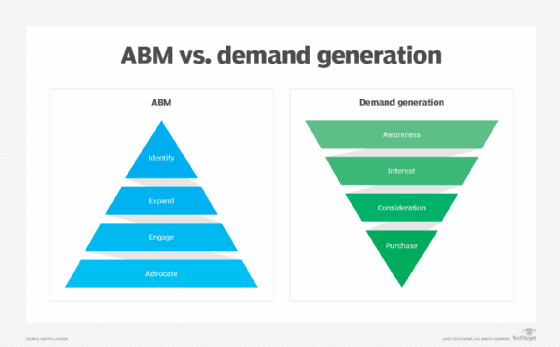
- Awareness: Problem identification
- Consideration: Solution comparison
- Decision: Vendor evaluation
Each stage needs tailored messaging and formats.
Step 3: Build High-Value Content for Every Stage
Content fuels demand generation.
Top-of-funnel (Awareness):
- Educational blogs
- Thought leadership articles
- Industry reports
- LinkedIn posts
Mid-funnel (Consideration):
- Webinars
- Case studies
- Comparison guides
- Email nurturing
Bottom-funnel (Decision):
- Product demos
- Customer success stories
- ROI calculators
- Free trials
Step 4: Use Multi-Channel Distribution
Even great content fails without distribution.
Key demand gen channels:
- LinkedIn organic + paid
- Search (SEO & generative search)
- Email nurturing
- Account-Based Marketing (ABM)
- Webinars & virtual events
Consistency across channels builds recall and trust.
Step 5: Align Marketing and Sales
Demand gen only works when sales and marketing operate as one team.
Best practices:
- Shared definitions (MQL, SQL, pipeline)
- Regular feedback loops
- Sales enablement content
- Clear handoff processes
This alignment shortens sales cycles and improves close rates.
Step 6: Leverage Data, Intent & Automation
Modern demand gen is data-driven.
Use:
- Intent data to identify in-market accounts
- CRM insights for personalization
- Marketing automation for lead nurturing
- AI for predictive scoring and segmentation
The goal: right message, right account, right time.
Step 7: Measure What Actually Matters
Forget vanity metrics.
Track:
- Pipeline influenced by marketing
- Account engagement
- Conversion rates by funnel stage
- Cost per opportunity
- Revenue attribution
Demand gen success = pipeline and revenue, not just clicks.
Common B2B Demand Generation Mistakes
❌ Chasing volume over quality
❌ Ignoring buyer intent
❌ Over-relying on gated content
❌ Poor sales alignment
❌ Measuring only leads, not pipeline
Contact Us : https://intentamplify.com/appointment-setting/
Comments
Post a Comment