How to Choose Between SIC and NAICS Codes

 Choosing the right industry classification system is more important than most businesses realize. Whether you're applying for government contracts, building targeted marketing campaigns, or analyzing market data, selecting between SIC (Standard Industrial Classification) and NAICS (North American Industry Classification System) codes can directly impact your success.

In this guide, we’ll break down the differences, use cases, and how to choose the right one for your business.


What Are SIC Codes?

SIC codes are a 4-digit numerical system developed in the 1930s to classify industries based on their primary business activities.

Key Features:

  • Simple 4-digit structure
  • Widely used in legacy systems
  • Still used by some government agencies and private databases

Example:

  • 7371 – Computer Programming Services
  • 5812 – Eating Places

👉 Best for:

  • Historical data comparison
  • Older databases and systems
  • Some regulatory filings

What Are NAICS Codes?

NAICS codes are a 6-digit classification system introduced in 1997, replacing SIC for most modern applications.

Key Features:

  • More detailed and flexible
  • Regularly updated to reflect new industries
  • Used by federal agencies like the Census Bureau

Example:

  • 541511 – Custom Computer Programming Services
  • 722511 – Full-Service Restaurants

👉 Best for:

  • Modern business classification
  • Government reporting and compliance
  • Market research and analytics

SIC vs NAICS: Key Differences

https://www.researchgate.net/publication/228265071/figure/tbl2/AS%3A669130243969025%401536544490534/Import-NAICS-and-SIC-Categories.png


https://fastercapital.com/i/NAICS-vs--SIC-Codes--Comparing-Two-Major-Classification-Systems--What-are-NAICS-and-SIC-Codes.webp


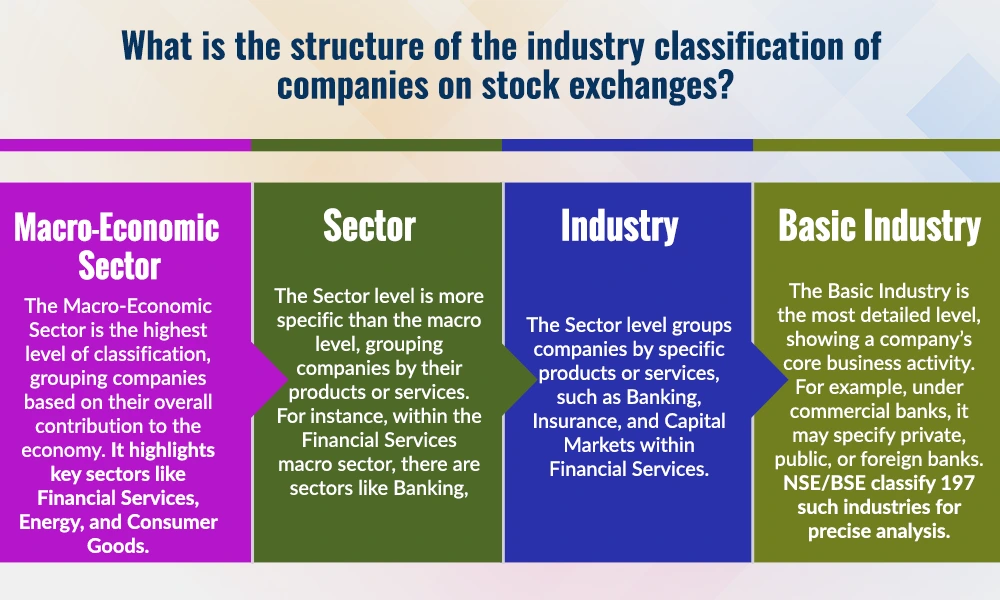
https://www.truedata.in/content/uploads/blogimages/what-is-the-structure-of-the-industry-classification-of-company-on-stock-exchanges.webp

4

FeatureSIC CodesNAICS CodesStructure4 digits6 digitsFlexibilityLimitedHighly detailedUpdatesRareRegular updatesUsageLegacy systemsModern standardCoverageLess granularMore industry-specific


How to Choose Between SIC and NAICS Codes

1. Understand Your Purpose

Start by asking: Why do you need the code?

  • Government contracts or compliance? → Choose NAICS
  • Working with older datasets? → SIC might still be required

2. Consider Your Target Audience

If you're in B2B marketing or lead generation, NAICS is usually the better option because it provides more precise targeting.

👉 Example:

Instead of broadly targeting "IT Services" (SIC), NAICS allows you to narrow down to specific niches like cloud computing or cybersecurity.


3. Check Industry Relevance

Some industries—especially emerging sectors like AI, SaaS, and fintech—are better represented in NAICS.


4. Align With Data Sources

Different platforms use different systems:

  • Government databases → NAICS
  • Older CRM or legacy tools → SIC
  • Modern marketing platforms → Mostly NAICS

5. Use Both When Needed

Many businesses maintain both SIC and NAICS codes to maximize compatibility across platforms.

✔ This is especially useful for:

  • Data enrichment
  • CRM segmentation
  • Multi-channel marketing campaigns

Common Mistakes to Avoid

🚫 Choosing overly broad categories

🚫 Ignoring updates in NAICS codes

🚫 Using only one system when both are required

🚫 Misclassifying your primary business activity


Pro Tips for B2B Marketers

  • Use NAICS for intent-based targeting and segmentation
  • Combine classification data with buyer intent signals
  • Regularly update your database for accuracy

Read more : https://intentamplify.com/blog/sic-vs-naics-codes/

Comments

Popular posts from this blog

From Crisis to Cushion: Turning Financial Setbacks into Smart Safety Nets

 One emergency. One setback. One unplanned moment— That’s all it takes to derail years of financial progress. But here’s the truth: Every financial crisis holds the seed of a stronger future. In this post, we’ll explore how to turn setbacks—job loss, debt, medical expenses, or unexpected bills—into smart, resilient financial systems that protect you next time. The Financial Wake-Up Call Most people don’t build a safety net until they’ve fallen. An emergency exposes the flaws in your financial habits—no savings, too much debt, lack of income streams. But instead of letting a crisis define you, let it refine you. “A setback is not a stop sign. It’s a signal to build smarter.” Step 1: Assess the Damage Without Panic Before you can recover, you need to know where you stand. How much was lost? (Income, assets, credit score, etc.) What’s urgent vs. what’s important? Are there immediate fixes? (Negotiating bills, filing claims, pausing subscriptions) This step is...

Tokenized Trading: How Blockchain Is Revolutionizing Asset Markets

 In recent years, the rise of blockchain technology has transformed everything from payments to logistics. But one of its most groundbreaking applications lies in the world of tokenized trading — where real-world and digital assets are converted into blockchain-based tokens that can be bought, sold, or traded just like traditional securities. What Is Tokenized Trading? Tokenized trading refers to the conversion of real-world assets (like stocks, bonds, real estate, or commodities) into digital tokens on a blockchain. These tokens represent ownership and can be fractionalized, making previously illiquid or expensive assets more accessible. Imagine owning a fraction of a luxury apartment in Manhattan or a piece of fine art by simply buying a token. That’s the power of tokenization — it democratizes access and opens up new possibilities for investors and institutions alike . How Blockchain Enhances Asset Markets Here’s how tokenized trading is reshaping traditional financial m...

Leveraging Webinars for Lead Generation: A Complete Guide

 Webinars have become an essential tool for educating audiences and generating high-quality leads. Here’s how businesses can leverage webinars for maximum impact. 1. Choosing the Right Format Different types of webinars—such as panel discussions, product demos, and Q&A sessions—serve different purposes. Choose the right format based on your target audience. 2. Increasing Registrations and Attendance Effective promotion through email, social media, and partnerships can drive sign-ups. Sending reminders and offering incentives can boost attendance rates. 3. Engaging Your Audience Interactive elements such as polls, Q&As, and live chat keep attendees engaged. Engaged audiences are more likely to convert into leads. 4. Post-Webinar Lead Nurturing Following up with attendees via email sequences and repurposing webinar content into blog posts or social media snippets maximizes ROI. Conclusion A well-planned webinar strategy can establish authority and drive valuable leads. Superc...